“The Ultimate Cheat Sheet” On Mobility Scooters On Road
How to Keep Mobility Scooters Safe on the Road 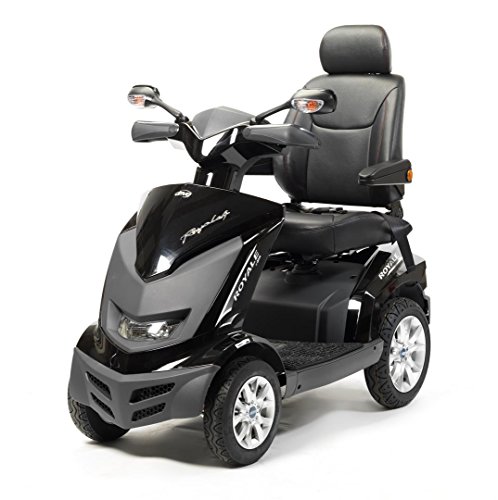 While there aren't any driving tests or insurance required for mobility scooters, they must be aware of local laws and guidelines. For instance, it's essential to allow pedestrians to pass and always move at a reasonable speed, taking into account the traffic conditions and surroundings. It is also recommended to avoid bus lanes or paths which are designed for cyclists only. These rules are designed to keep you safe and assist everyone in getting where they must go. Independence A mobility scooter allows users to have their independence and is a crucial element of their overall health and wellbeing. Having the ability to travel longer distances and go out socialising with friends can increase confidence and improve mental wellbeing, which can result in better physical health. Mobility scooters are secure and safe to use and most models come with a lock for keys that allows users to be certain that their scooter is only used by them and won't be stolen even when they're not. The scooters are also fitted with batteries that recharge and allows them to be charged and maintained in good condition. While the benefits of owning mobility scooters are mostly felt by the user, it could also have a positive impact on caregivers. Caregiving for elderly individuals can be physically exhausting and emotionally draining, but a mobility scooter can help ease the burden on caregivers. In turn, it allows them to spend more time with their loved ones and lessen the stress of caring for someone with mobility issues. It is important that scooter drivers obey traffic laws and allow pedestrians the right of way when traveling on the roads. They should also use designated pathways and sidewalks whenever possible, and be aware of their surroundings in order to avoid collisions with other road users. These security measures do not just ensure the wellbeing of those who use mobility scooters and their passengers, but also contribute to a safe and a more cooperative environment for all those who use public spaces. Mobility scooters can't be driven on highways or high-traffic roads and even those considered “road legal” cannot be driven on roads that have the speed that exceeds 25 mph. However, they offer the freedom to navigate residential areas and travel shorter distances in areas that have less traffic. In addition, it's important that owners of mobility scooters follow proper maintenance and storage procedures. This includes checking the tires for wear and tear, making sure they're properly inflated and ensuring that the battery is fully charged. It's also recommended to keep the scooter in a brightly lit area like an shed or garage and keep it locked when not in use to minimize the risk of theft. mobility scooters for road use wish to live an active life but are unable to due to pain, fatigue or inability to walk long distances. This can lead people to alter their lifestyles and lose their independence. Mobility scooters can offer an alternative option for those who struggle walking. They can also help them keep up with their hobbies and join in the community. Many scooter owners believe that they are necessary for maintaining health, independence and overall wellbeing. May et al. (2010) surveyed more than 65 scooter users about their experiences with their devices and discovered that they were content with the benefits of using the devices. The advantages of scooters include being able to manage their daily tasks and remain independent by not relying on family members or ride service providers. Scooters are easy-to-drive and use the same controls as cars. They are mostly designed for use on footpaths but the tyres are sufficient to travel on dirt or grass when required. To ensure your safety on the roads, you should always wear a helmet and be sure that you have appropriate lighting. You should carry your ID and attach emergency telephone numbers to the scooter to be noticed in the event in the event of an accident. Mobility scooters should not be used on motorways or cycle lanes that are not permitted. They must also follow the speed limits in your area. It is also recommended to carry a cell phone and have an extra battery for your scooter in order you can reach assistance in the event of an emergency. In addition, you should wear bright clothing when driving on a scooter to ensure that you are easily visible to other road users. As a result of the growing number of older people using mobility scooters, there is a growing interest in their impact on urban environments and their usage in relation to accessibility for people with physical limitations. However, the knowledge base is a bit shaky with a lack of research regarding: (1) how older people use mobility scooters, (2) how they use them to tackle the demands of everyday life and (3) their implications for urban design and planning policies. How do I get to the shops The journey to the store is just one of the many tasks that those with mobility issues must tackle every day. Mobility scooters can help increase your independence, whether picking up milk or grabbing some quick food. You'll be able complete small tasks independently instead of waiting for a friend or family member to assist you and make you feel less isolated and improving your overall health. Mobility scooters are battery-powered machines that assist individuals with limited mobility. The disabled, older people, and those recovering after injuries are the most likely to utilize them. There are many different types of mobility scooters that are available such as travel scooters made to fit inside the back of a car to large outdoor models that provide greater stability and speed for longer trips. It is important to know the rules and safety precautions in your locality before using a mobility scooter on the road. You are not allowed to drive a scooter on a bus or bike lane, and it is illegal to drive them onto motorways. However, you can use mobility scooters on other roads as long as you follow the Highway Code and are wearing helmets. Additionally, inquire with the store to find out whether they have any specific rules or guidelines for mobility scooters. You can also ask store employees for advice and tips regarding how to navigate around the store with a scooter. Finally, be sure to operate the scooter at a steady and steady pace to ensure that you don't annoy other drivers or cause accidents. Mobility scooters are increasingly popular with seniors who have limited mobility, as they offer the safety and convenience to get around. These devices can make shopping for groceries and running errands less stressful and can even delay the need for older people to move into assisted living facilities. They are a great option to keep independence and keep up with everyday life, so it's crucial to plan your journeys in advance, including the route you'll take. Travelling long distances Many people find it difficult to travel for long distances on their mobility scooter. It is more difficult to get around on mobility scooters than it does by foot. If you plan ahead and take some basic safety precautions, you can be safe while riding your scooter. These safety measures include making sure that your scooter is visible to other road users, using the headlights and the indicators when driving, and using the brakes when stopping. If you're planning a trip using your scooter, you must take into consideration whether it can be used on public transport. You can do this by buying a scooter that is easy to disassemble, and can be tucked away in the trunk of your car. Some airlines will allow you to check your mobility scooter in as oversize luggage, allowing you to travel easily. Mobility scooters are electric transport devices for one person. They're designed to aid people with limited walking ability. They come with three to five wheels, an electronic frame, and a comfortable chair. The battery is rechargeable and controlled by the handlebar. They are primarily used on sidewalks and pedestrian areas, but can also be used on roads based on their speed capacities and local laws. There is limited knowledge of the effects of mobility scooter usage on the physical health of their users, particularly since there are various types of scooters that are available to users with varying requirements and capacities. Scooters are utilized for a variety of activities, including shopping, visiting family and friends, taking a ride (Barton, et al. 2014). While it may be a bit of a hassle to be required to follow the rules of your city concerning road travel using a scooter, this is for your safety and that of other people. Municipalities restrict road use for scooters as it can create traffic congestion and disrupt free-flowing traffic on the streets. This can be especially dangerous for people with disabilities who might not be able to maneuver their scooter quickly enough to avoid being tripped by other vehicles.